


Linseed
Linseed has both a therapeutic and a nourishing effect, so feeding it regularly brings a range of benefits for a horse’s health. It supports metabolism and helps during convalescence. It is high in omega-3 fatty acids and improves the condition of the coat and the hoof horn 🤎
Siemię lniane wykazuje scientifically proven health benefits. Recommended for all types of horses and ponies, especially horses with digestive problems. For use as an addition to the basic feed, oats or mash, adding variety to the ration. The seeds can be fed once cooled, after soaking in boiling water for about 20 minutes, or freshly ground.
Linseed is a source of slow-release energy, because it is high in fat and at the same time low in carbohydrates. Its many oily substances mean that feeding it regularly improves the condition of the coat and hoof horn. It is also notable for easily digested protein with a favourable amino acid profile and a high zinc content. If you feed more than 200 grams of the product, take care with the inverted calcium-to-phosphorus ratio, which is not what is recommended for horses.
The product can be very useful for horses with digestive disorders and for those that colic and are prone to constipation. The mucilage from linseed has a protective, soothing effect, which reduces the risk of gastric ulcers and intestinal disease and even brings relief in inflammation of the throat or oesophagus.
The high content of plant unsaturated omega-3 fatty acids in linseed enables proper muscle protein synthesis and improves the function of the brain and central nervous system, so it is well suited to horses in training and for breeding. Enriching the diet with omega-3 fatty acids may help to limit inflammatory and allergic reactions, improve the blood lipid profile and increase the sensitivity of tissues to insulin.
Linseed has a healing and nourishing effect and supports horses during recovery. It can also supply as much omega-3 as pasture, so it is ideal for horses with no access to pasture and during the winter. The product is packed in sealed, multi-layer ziplock bags that keep the seeds clean and preserve their freshness for longer.
Composition
Linseed grain
Analytical constituents
Crude protein
18,8%
Metabolisable energy
14,8 MJ/kg
Crude ash
3%
Crude fat
27%
Crude fibre
6,5%
How to feed
Linseed may only be fed wet, after soaking in boiling water for about 20 minutes; feed once cooled.
Distinctive properties
Composition
Linseed grain
Feeding guide
| 400kg | 500kg | 600kg | per 100 kg of body weight | |
|---|---|---|---|---|
| Daily amount | 200 g | 225g | 250 g | 50 g |
Analytical constituents
Crude protein
18,8%
Metabolisable energy
14,8 MJ/kg
Crude ash
3%
Crude fat
27%
Crude fibre
6,5%
Similar products
-
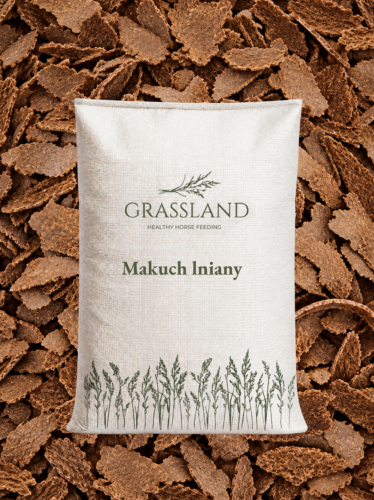 80,00 zł (incl. VAT) Add to basket
-
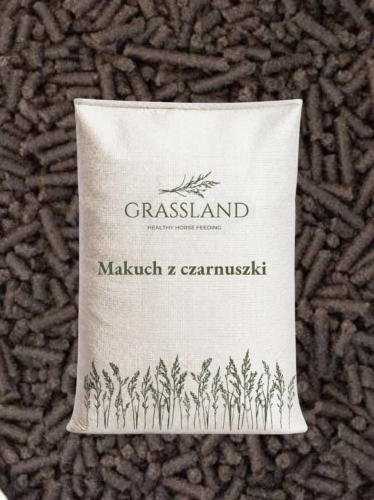 80,00 zł (incl. VAT) Add to basket
-
 129,00 zł (incl. VAT) Add to basket
-
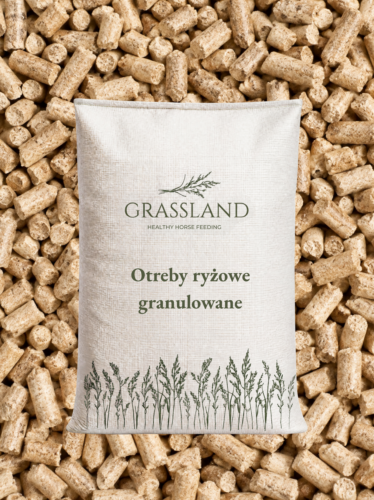 115,00 zł (incl. VAT) Add to basket